

Healthy Diet and Gym
Introduction
A healthy diet and regular gym exercise are very important for a fit and active life. Good food gives energy to the body, while exercise keeps the body strong and healthy. Nowadays, many people face problems like obesity, weakness, stress, and low stamina because of unhealthy eating habits and a lack of physical activity. A balanced diet, along with gym workouts, helps in improving physical and mental health.
What is a Healthy Diet?
A healthy diet means eating nutritious food in the right amount. It includes proteins, carbohydrates, fats, vitamins, minerals, fiber, and water. A balanced diet helps the body grow properly, improves immunity, and provides energy for daily activities.
Components of a Healthy Diet
1. Proteins
Proteins help in muscle building and body repair.
Sources:
Eggs
Paneer
Milk
Fish
Chicken
Dal
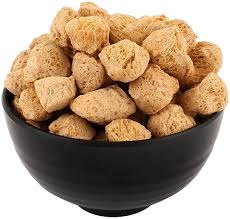
Soya chunks
Nuts
Benefits:
Builds muscles
Repairs body tissues
Improves strength
2. Carbohydrates
Carbohydrates are the main source of energy.
Sources:
Rice
Roti
Oats
Potato
Fruits
Bread
Benefits:
Gives energy
Improves workout performance
Keeps the body active
3. Healthy Fats
Healthy fats are important for brain and heart health.
Sources:
Almonds
Walnuts
Peanut butter
Olive oil
Seeds
Benefits:
Supports brain function
Maintains hormones
Gives long-lasting energy
4. Vitamins and Minerals
They protect the body from diseases and improve immunity.
Sources:
Fruits
Green vegetables
Salad
Juice
Benefits:
Improves immunity
Keeps skin healthy
Supports body functions
5. Water
Water is very important for hydration.
Benefits:
Removes toxins
Keeps the body cool
Prevents dehydration
Recommended:
Drink 2–4 liters of water daily.
Importance of Gym
Gym exercises help in improving strength, stamina, flexibility, and fitness. Regular workouts also reduce stress and improve confidence.
Benefits of Going to the Gym
1. Muscle Building
Weight training helps in building muscles and increasing strength.
2. Weight Loss
Cardio exercises help in burning calories and reducing fat.
3. Better Mental Health
Exercise reduces stress, anxiety, and depression.
4. Improved Stamina
Regular exercise increases body endurance.
5. Better Discipline
The gym develops discipline and consistency in life.
Types of Gym Exercises
1. Cardio Exercises
These exercises improve heart health and burn calories.
Examples:
Running
Cycling
Jump rope
Treadmill
Benefits:
Fat loss
Better heart health
Increased stamina
2. Strength Training
These exercises build muscles and strength.
Examples:
Push-ups
Bench press
Squats
Deadlifts
Dumbbell exercises
Benefits:
Muscle gain
Strong bones
Better body shape
3. Flexibility Exercises
These exercises improve body movement.
Examples:
Stretching
Yoga
Benefits:
Reduces injury risk
Improves flexibility
Healthy Diet Plan for Gym
Morning
Warm water
4–5 soaked almonds
Banana or apple
Breakfast
Oats with milk
Eggs or sprouts
Brown bread
Lunch
Roti
Rice
Dal
Green vegetables
Salad
Curd
Pre-Workout Meal
Banana
Black coffee
Peanut butter sandwich
Post-Workout Meal
Protein shake or milk
Paneer or eggs
Banana
Dinner
Light food
Roti with vegetables
Soup or salad
Tips for Staying Fit
Eat healthy food regularly
Avoid junk food
Exercise daily
Sleep for 7–8 hours
Drink enough water
Stay consistent
Avoid smoking and alcohol
Harmful Effects of an Unhealthy Lifestyle
An unhealthy diet and lack of exercise can cause:
Obesity
Diabetes
Heart diseases
Weak muscles
Stress and depression
Conclusion
Healthy eating and regular gym workouts are essential for a healthy life. A balanced diet gives proper nutrition, while gym exercise keeps the body fit and strong. Together, they improve physical health, mental health, confidence, and overall lifestyle. Every person should follow healthy habits to live a long and active life.
FAQ – Healthy Diet and Gym
1. What is a healthy diet?
A healthy diet is a balanced meal that contains proteins, carbohydrates, fats, vitamins, minerals, fiber, and water in the right amounts.
2. Why is the gym important for health?
Gym helps improve strength, stamina, fitness, mental health, and overall body performance.
3. How much water should we drink daily?
A person should drink around 2–4 liters of water daily, depending on activity level and weather.
4. Which foods are good for muscle gain?
Foods rich in protein, such as eggs, paneer, chicken, fish, milk, dal, and soya chunks,s are good for muscle gain.
5. Canthe gym help in weight loss?
Yes, regular gym workouts along with a healthy diet help in burning calories and reducing body fat.
6. What should we eat before a workout?
Banana, oats, a peanut butter sandwich, or black coffee are good pre-workout foods.
7. What should we eat after a workout?
Protein-rich foods like milk, eggs, paneer, bananas, or protein shakes are recommended after workouts.
8. How many days should we go to the gym?
Beginners can start with 4–5 days a week and gradually increase as their fitness goals progress.
9. Is sleep important for fitness?
Yes, 7–8 hours of sleep is important for muscle recovery and overall health.
10. What are the disadvantages of junk food?
Junk food can cause obesity, weakness, heart problems, and low energy levels.
11. Which exercises are best for beginners?
Walking, treadmill, push-ups, squats, cycling, and light weight training are best for beginners.
12. Can a vegetarian build muscles?
Yes, vegetarians can build muscles by eating paneer, milk, curd, soya chunks, dal, nuts, and sprouts.
13. What is the role of protein in the body?
Protein helps with muscle building, body repair, and strength improvement.
14. Why is warm-up important before exercise?
Warm-up prepares the body for exercise and reduces the risk of injury.
15. How can we maintain a healthy lifestyle?
By eating balanced food, exercising regularly, drinking enough water, sleeping properly, and avoiding unhealthy habits